
3 Non-Toxic Lures That Keep Beer Gardens Free From Stings

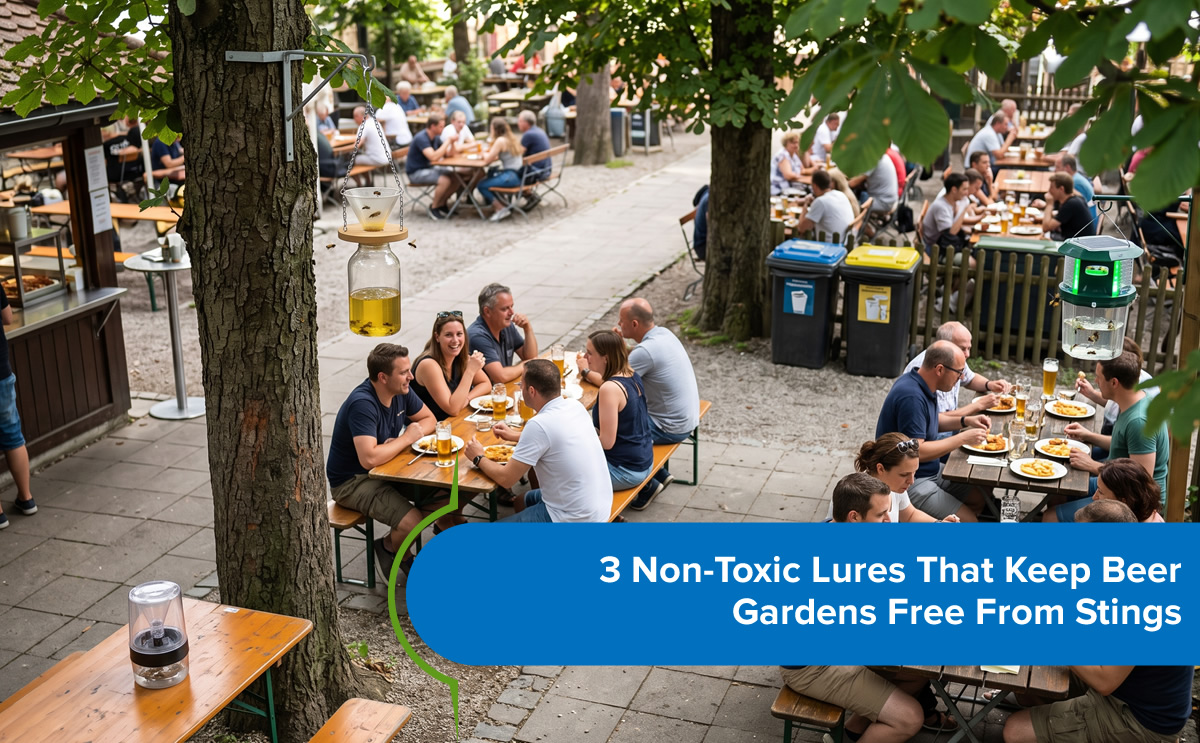
Beer gardens are a popular feature of pubs, restaurants and outdoor hospitality venues, particularly during warmer months. However, food, sugary drinks and outdoor waste can also attract wasps, creating an uncomfortable environment for customers and staff. Using a suitable wasp trap can help monitor and reduce wasp activity around outdoor seating areas without relying solely on chemical treatments.
A carefully planned approach can make beer gardens less attractive to wasps while allowing businesses to continue serving customers outdoors. Non-toxic lures can be particularly useful as part of an integrated strategy that also includes good hygiene, waste management and sensible placement of traps.
Why Wasps Are Attracted to Beer Gardens
Wasps are attracted to many of the things commonly found in outdoor hospitality environments. Sweet drinks, fruit, food scraps and overflowing bins can all provide potential sources of food.
During different stages of the warmer months, wasp behaviour can change. Early in the season, many wasps feed heavily on insects and other protein sources, while later in the year they can become increasingly interested in sugary foods and drinks. This makes beer gardens particularly challenging during periods of high customer activity.
Open bottles, spilled drinks and unattended food can quickly attract individual wasps. Once several insects discover a reliable food source, activity can become much more noticeable.
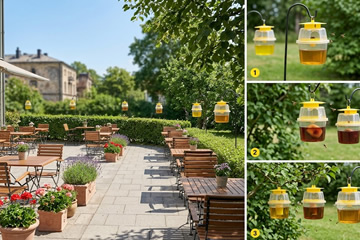
1. Sugar-Based Lures
Sugar-based attractants can be useful when the objective is to draw wasps towards a designated trap rather than allowing them to remain around customer seating. These lures are designed to appeal to the feeding behaviour of wasps that are attracted to sweet substances.
A trap containing an appropriate lure should be positioned away from tables and high-traffic areas. The intention is to direct wasp activity away from customers rather than accidentally concentrating insects next to where people are eating and drinking. Businesses should follow the product manufacturer’s instructions regarding the correct lure, trap type and placement.
2. Fruit-Based Attractants
Fruit-based scents can provide another option for attracting wasps. Overripe or fermenting fruit naturally produces odours that can attract various insects. Commercially designed lures can use similar attraction principles while providing a controlled way of monitoring wasp activity.
Fruit-based lures may be particularly useful during periods when wasps are actively searching for sugary food sources. As with any trap, placement is critical. It should be located far enough away from customer areas to avoid creating an unwanted concentration of insects close to people. Regular inspection is also important so that traps can be maintained and replaced when necessary.
3. Commercial Non-Toxic Lures
Commercially manufactured non-toxic lures can provide a more consistent alternative to improvised attractants. These products are developed specifically for use with compatible wasp traps and can help businesses implement a more structured monitoring and control programme.
Businesses considering wasp control products should select products appropriate for the premises and intended use. Product instructions should always be followed carefully, particularly in hospitality settings. A commercial lure can also make it easier for staff to establish a routine for checking and replacing traps.
Why Trap Placement Matters
One of the most common mistakes when using a wasp trap is placing it too close to customers. The purpose of a trap is to redirect wasp activity away from people. Placing one directly beside a table can therefore defeat the purpose of the control strategy.
Instead, traps should generally be positioned around the perimeter of the beer garden or near areas where wasps are entering and gathering, while remaining away from customer seating. Staff should also monitor activity to determine whether the chosen locations are effective.
Keep Food and Waste Under Control
Lures are only one part of wasp management. Beer gardens should have clear procedures for dealing with food waste and drink spillages. Tables should be cleaned regularly, bins should remain covered where appropriate and waste should be removed before it becomes an attraction.
Staff should also be trained to clean spilled sugary drinks promptly. These measures reduce competing food sources and can make the overall control programme more effective.
Protecting Customers and Staff
Wasps can create a safety concern when they are present around busy outdoor areas. Some people may have severe allergic reactions to stings, making prevention especially important for hospitality businesses. Staff should know how to respond when a wasp is spotted around a customer. Attempts to swat or aggressively disturb insects can sometimes make the situation worse.
Instead, employees should follow the venue’s established pest-management and safety procedures. Keeping outdoor areas clean and monitoring wasp activity regularly can help reduce encounters.
When Professional Pest Management Is Needed
If wasp activity becomes persistent or a nest is suspected nearby, traps alone may not be sufficient. A qualified pest professional can assess the property and determine whether there is an underlying nest or other source of activity.
Businesses sourcing professional pest control products should also consider the specific requirements of their premises. Products suitable for general outdoor use may not necessarily be appropriate for every commercial environment. Professional advice can help businesses choose an appropriate combination of monitoring, prevention and control measures.
Creating a More Comfortable Beer Garden
A well-managed beer garden should be enjoyable for customers without unnecessary pest problems. Regular cleaning, secure waste storage and appropriate trap placement can significantly reduce the conditions that attract wasps.
Non-toxic lures can support this approach by providing a targeted way to monitor and manage wasp activity. They can also reduce the need to rely exclusively on chemical control methods. The goal is not simply to eliminate individual wasps but to reduce the overall attractiveness of the environment.
Conclusion
Wasps can quickly become a problem in beer gardens where sugary drinks, food and waste are readily available. Sugar-based lures, fruit-based attractants and commercially produced non-toxic lures can provide useful options for directing and monitoring wasp activity. Using wasp control products correctly, keeping food and waste under control and placing traps away from customer seating can help create a more comfortable outdoor environment.